-
PM-013
Data: Collection to Communication
This module introduces students to the core principles and real-world applications of health data. It provides a foundational understanding of how health data is gathered, organised, analysed, and interpreted to support healthcare decisions and improve patient outcomes. Students will explore key concepts including data types, descriptive statistics, data visualisation, and commonly used analytical software tools. The module also emphasises the ethical use of data and its importance in evidence-based healthcare and public health practice.
-
PM-138
Skills for being a Medical Scientist
The aim of this module is to provide students with an initial experience of what it is to be a modern medical scientist, from the initial experimental planning, to performing experiments within the laboratory with data acquisition and analysis and finally to the communication of scientific findings to a wider audience.
Students will develop basic skill sets in the four most important research skill areas of practical laboratory skills, data analysis, collaboration and communication. The module will be both theoretical and applied, where the student will be instructed in methods essential for data acquisition and data analyses but will also actively participate in the laboratory, using broadly applicable experimental techniques. In addition, students will learn about health and safety within a laboratory environment and the current ethics regulations surrounding the use of humans, human tissue and animals within medical research.
Furthermore, students will develop their communication skill sets not only through essay writing but also will develop their oral presentation skill set and their collaboration skills through a group presentation and tutorial classes.
-
PM-254
Doctors, patients & the goals of medicine
The educational intention of the module is to allow the student to consider the contemporary practice of Medicine within the United Kingdom. This will include understanding the professional regulation, financial constraints and societal and personal challenges, within which medicine and other healthcare activities are practiced.
-
PM-296
Population Health Research Methods & Communication
This module provides students with a comprehensive understanding of the philosophical foundations and practical applications of population health research. It enables students to explore various epidemiological and qualitative research methodologies used to investigate population health issues while emphasizing the importance of ethical considerations in research practice. This module also develops students' research skills by offering the opportunity to conduct data analysis and interpret results from a small-scale research study. Additionally, students will gain insight into how research findings are disseminated within the scientific community and the crucial role of public engagement in research.
-
PM-344
Capstone Project
The aim of this module is to provide a capstone experience to students¿ learning, through participating in their own enquiry-based research project, with guidance from an academic supervisor. The project may be laboratory or non-laboratory based, but it will always involve a research question that is drawn from the literature, and focused on a topic relevant to the life sciences. It will ask a research question and involve the critical analysis of research findings. Students will refine their oral and written communication skills to a graduate level through an oral presentation and dissertation on their research findings and conclusions.
-
PM-366
Teaching Science
This module is for students with an interest in teaching, science communication, and medicine. Students will complete an enquiry-based research project, based within the field of pedagogy or science communication, with guidance from an academic supervisor. Projects may be completed in collaboration with local schools/colleges, community groups, science outreach programmes (e.g. Oriel Science), in clinical/patient settings, or within Higher Education. Students will engage with workshops and digital resources to introduce various themes surrounding pedagogy and science communication to prepare them for their research project. Students will be required to critically analyse their research findings and produce a teaching or outreach activity/resource. Students will refine their oral and written communication skills to graduate level through an oral presentation and dissertation.
-
PM-370
Global Health
This module enables students to develop a global perspective on population health and recognise emerging and re-emerging population health issues that are paramount in High Income Countries (HICs) and Low to Middle Income Countries (LMICs). The module takes a multidisciplinary perspective, and integrates new ideas, theories and empirical evidence from population health, medicine, demography, epidemiology and social sciences in order to examine specific population health problems as they relate to pandemics, natural disasters, conflict, poverty and sustainable population growth. It considers the political, economic and social dimensions of global health problems, and their influences on health outcomes and health services. Analysis of these topics will centre around the strategies of the UN Millennium Development Goals and the post-2015 development agenda (i.e. UN Sustainable Development Goals).
-
PMDM01
Diabetes Basics
This module aims to introduce the basics of diabetes, a condition where there are an estimated 4.5 million people living with the disease in the UK alone, and a further 1.1 million that are undiagnosed. It will detail prevalence and pathophysiology, nutrition and self-care, and a basic understanding of associated complications. It aims to develop the students¿ knowledge of the many key factors that contribute to this enormous healthcare issue. The module will be delivered online via distance learning, with online assessments.¿
-
PMDM02
Diabetes Management I
This module is delivered primarily as a 5-day residential that aims to develop the students¿ knowledge of the available pharmaceutical treatments for diabetes. It will explore all aspects of current pharmaceutical regimes from oral medications through injectables to basic pump technologies. This will enable the students to not only have the opportunity to see and handle these pharmaceuticals, but also appreciate the wider context of medication planning and progression of the disease. The module will be delivered primarily on campus (5-day residential) with extra online content, and both in situ and online assessments.
-
PMDM03
Diabetes Events
This module will aim to explore and give a basic underpinning knowledge of events that can result from or affect diabetes care. This will include hypo- and hyperglycemia, illness and pregnancy, demonstrating causes of disruption and the courses of action required to ensure continuous diabetes management throughout. The module will be delivered online via distance learning, with online assessments.
-
PMDM04
Diabetes Complications
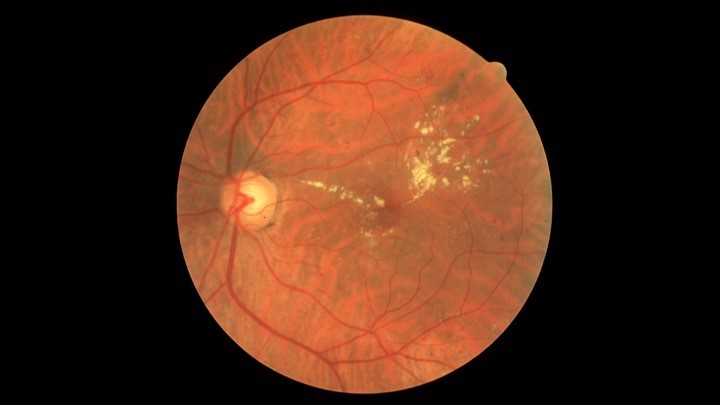
This module will detail and further enhance the students¿ knowledge of the micro- and macrovascular complications that can arise as a result of diabetes, including retinopathy, kidney damage, cardiovascular disease and stroke. It will highlight the associated risk, symptoms, progression and possible treatments with regard to these conditions.¿
The module will be delivered online via distance learning, with online assessments.¿
-
PMDM05
Diabetes Management II
This module is delivered primarily as a 5-day residential that aims to enhance the students¿ knowledge of the advanced treatments for diabetes. It will explore continuous/flash glucose monitoring and all aspects of pump technologies and pregnancy usage. This will enable the students to see and handle these new technologies that are not necessarily common place in clinics, and appreciate the concept of treatment planning and progression using these devices. The module will be delivered primarily on campus (5-day residential) with extra online content, and both in situ and online assessments.
-
PMDM06
Diabetes Situations
This module will investigate the situations in which there are a need for specialised diabetes planning, treatment and care. It will highlight the areas of care that require specific and considered practice such as inpatient care, elderly/infirm patients and care in the community. The module will be delivered online via distance learning, with online assessments.
-
PMDM07
Dissertation (Research/Audit)
This module will comprise of a written dissertation of either a literature review, research project, service improvement or audit. The piece will need to demonstrate independent learning and critical thinking to explore and add to the evidence base for a topic of relevance to their area of interest within the field of diabetes.¿
-
PMDM08
Work Based Portfolio
This module will allow students to review, appraise and evaluate the application of the knowledge gained throughout the programme within their own professional work environment by providing a portfolio of evidence supported by a reflective commentary.¿The piece will need to demonstrate independent learning and critical reflection to explore and identify areas for future growth.
-
PMZ300
An introduction to diabetes nursing
Newly appointed Diabetes Specialist Nurses (DSNs) are often bought in as development roles, straight from general nursing background, with very little specialist training and experience. New DSNs often face steep learning curves as they transition into their roles. This CPD programme is specifically tailored for new DSNs to bridge the gap between general nursing training and the specialised skills required for effective diabetes care through focused lectures, mentorship, and peer support, fostering confidence and competence, increasing job satisfaction and reducing burnout, which ultimately benefits the wider healthcare system.
The CPD will be delivered by experienced senior colleagues who are already working across a range of diabetes specialist care areas ranging from primary to tertiary care environments, allowing students to gain practical insights, tips, and strategies that are not always covered in formal training. Mentorship fosters confidence, accelerates skill development, and promotes a culture of continuous learning and collaboration, whilst peer support provides a sense of community and belonging, crucial for navigating the challenges of a demanding specialist role.