What if surgeons could rehearse life-changing procedures before ever entering the operating room?
In regions where women endure unimaginable trauma, often as victims of sexual violence, the ability to perform complex reconstructive surgeries can mean the difference between pain and recovery, isolation and dignity. Yet, training opportunities and models for these procedures are scarce, particularly in areas of conflict where resources are limited and the need is vital.
At Swansea University, a team led by Professor Hari Arora and consultant plastic surgeon Professor Iain Whitaker is tackling this challenge head-on.
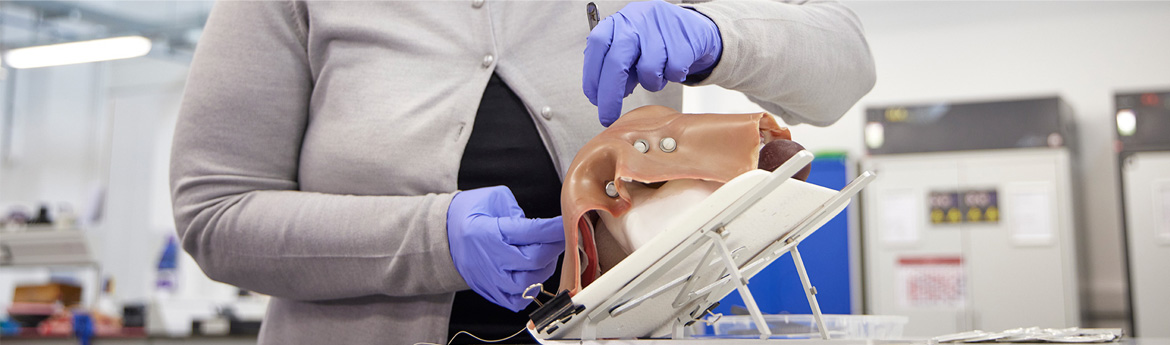
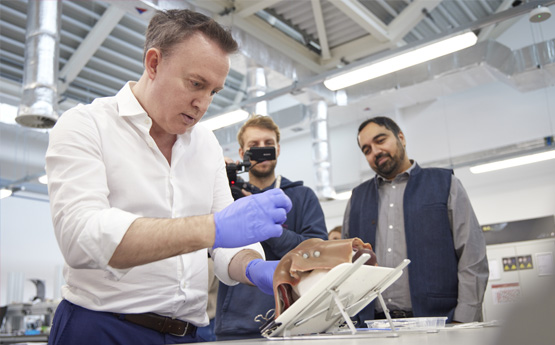
By combining biomechanics research with surgical expertise, they are developing hyper-realistic training models, known as ‘phantoms’, that allow surgeons to practice intricate techniques before operating on patients.
These devices combine soft and hard tissue structures, capturing the realism and functionality needed for effective surgical training.
(Warning: the following video features female reconstructive surgery simulation).
Every design decision was guided by usability, focusing on the elements most critical for reconstructive procedures while removing unnecessary details.
The anatomically accurate models replicate female pelvic structures, enabling health professionals to rehearse procedures such as episiotomies and post-childbirth corrections, making them invaluable not only in humanitarian missions but also in everyday obstetric and gynaecological care.
This innovation is part of ANSWERS (Accessible Novel Solutions for Widespread Emergency Reconstructive Surgery), a project focused on creating affordable, 3D-printed models for global use.
Responding To A Global Need
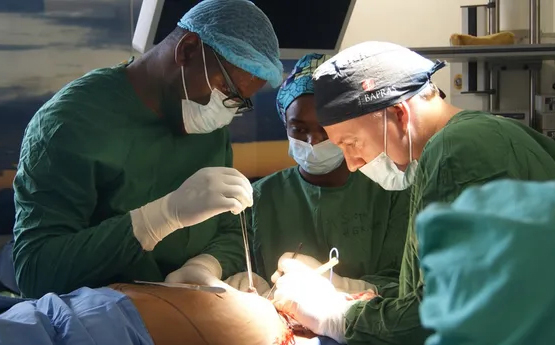
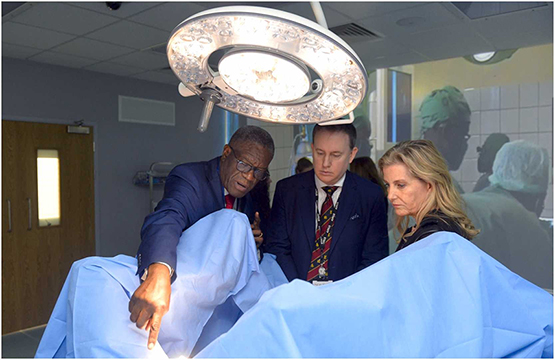
The urgency of this work became clear during a mission to the Democratic Republic of Congo in 2024, led by Professor Whitaker following a request from HRH The Duchess of Edinburgh.
At Panzi Hospital, a sanctuary for survivors of sexual violence, the team introduced the training model to local surgeons. For many, this was the first opportunity to practice complex reconstructive techniques before treating patients.
Panzi Hospital’s surgeons thoroughly evaluated the training value of the models, with the majority reporting increased confidence in their technical skills after using them. This underscores the potential of simulation-based training to elevate surgical skills and improve outcomes for survivors of sexual violence.
Restoring Dignity And Health For Women
Building on this success, the team is enhancing the model to include internal organ layers behind the existing skin structure. This advancement will allow surgeons to prepare for even more severe injuries, where trauma extends beyond external tissue.
ANSWERS is more than a device, it’s a global collaboration, a commitment to restoring dignity and health for women in the most challenging circumstances.