Biomedical Engineering, MSc

Discover Swansea at our next Open Day

Book your place today
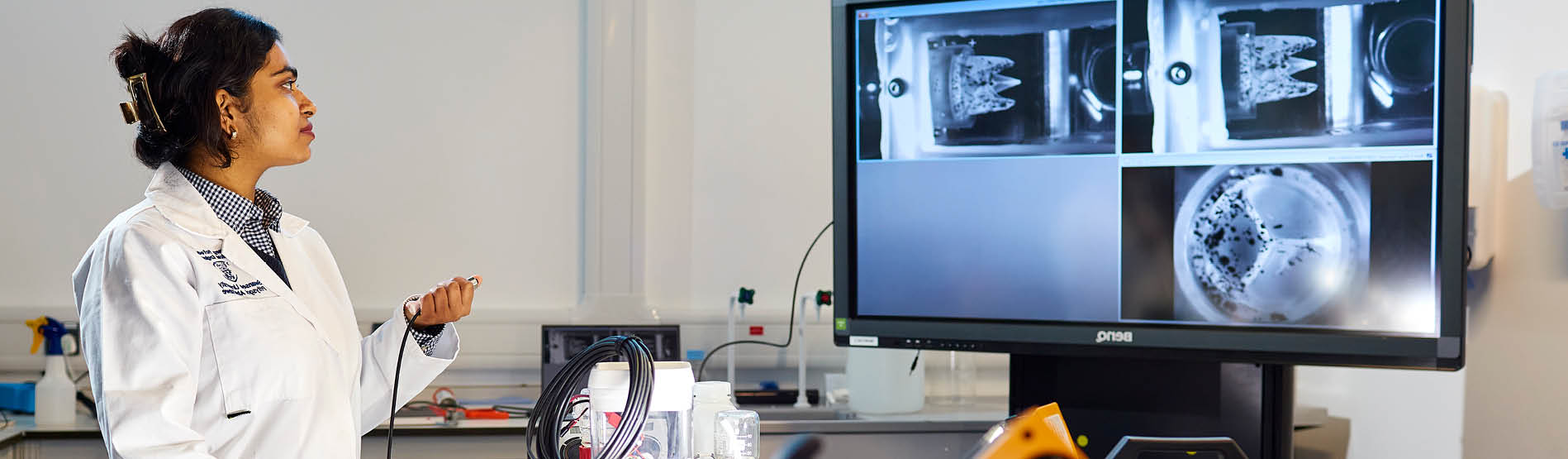
Biomedical Engineering student in the lab

Course Overview

The MSc in Biomedical Engineering at Swansea University equips you with the skills to apply engineering techniques to understand biomedical systems and develop innovative devices that interact with them. You will explore scales ranging from entire populations and the human body to cells and nanoparticles, gaining a comprehensive understanding of biomedical engineering challenges.

The programme combines analytical and experimental approaches, giving you hands-on experience in data acquisition and advanced data analysis. This practical training is complemented by theoretical learning, ensuring you can tackle real-world biomedical engineering problems with confidence.

The MSc is ideal for graduates with a background in Biomedical Engineering and also serves as an excellent conversion course for those with degrees in other engineering or related disciplines. Whichever route you take, this programme prepares you for a rewarding career in life sciences, medical technology, or the healthcare sector.

Why Biomedical Engineering at Swansea?

Engineering at Swansea University has a global reputation and attracts students from across the world. Based at our beachfront Bay Campus, you will study in a first-class research environment with 100% our research ranked as world-leading and Internationally Excellent (REF2021), and will benefit from facilities such as the Biomedical Engineering Simulation & Testing (BEST) Lab —a hub for interdisciplinary innovation from concept to manufacture and testing.

Your Biomedical Engineering Experience

Throughout your studies you will integrate theoretical knowledge with practical skills in imaging, nanomedicine, prosthetics, tissue engineering, microfluidics, and computer-aided design.

You will evaluate and apply advanced engineering principles to design, optimise and critically review biomedical devices, implants or diagnostic systems, accounting for both clinical functionality and patient safety. You will learn to integrate and analyse complex, incomplete, or uncertain datasets from biological and engineering sources to support decision-making in research, clinical innovation, or system development, and will investigate and critique emerging biomedical technologies using evidence from current research and technological trends.

You will also develop transferable skills in research methods, project planning, and understanding the social, environmental, and economic context of engineering, demonstrating initiative and leadership in collaborative environments, communication, and ethical responsibility in ways that reflect the broader societal, regulatory, and commercial impacts of biomedical engineering practice.

Biomedical Engineering Employment Opportunities

On completion of the course, your advanced engineering expertise will give you the confidence to either begin, or progress, your career in medical device development, healthcare innovation and research organisations, with roles including:

  • Biomedical Engineer
  • Clinical Engineer/Scientist
  • Prosthetic Design Engineer
  • Bioinstrumentation Engineer

Many of our Graduates have gone on to work with leading organisations including Renishaw, Calon Cardio-Technology Ltd, Olympus Surgical Technologies, NHS, GE Healthcare, and the Royal Navy.

Modules

We're currently reviewing our curriculum to enhance your learning experience and embed skills that will benefit your future career. This means that some modules may be subject to change.

Entry Requirements

We consider all applicants on their own merits and welcome applications from students with a wide range of qualifications.