Physical Geography, BSc (Hons)

Discover Swansea at our next Open Day

Book your place today
Satellite view of Europe

Course Overview

Our BSc Physical Geography degree gives you a broad, research‑informed understanding of the Earth’s physical systems, bringing together themes from physical geography, environmental science and geology. You will explore topics such as climate change, natural hazards, pollution, coastal management, wildfires and geophysics, developing a strong foundation in the science behind environmental change.

Throughout your degree, you will gain essential skills in writing, data analysis, statistics and critical thinking, alongside hands‑on laboratory and field‑based training. The programme offers the flexibility to tailor your module choices to your interests, allowing you to specialise in areas of physical and environmental geography that align with your academic strengths and future career ambitions.

This degree is designed to help you understand and address global environmental challenges while building the practical and analytical skills needed to succeed in a range of geography‑related careers.

Teaching is delivered by research‑active staff who bring their expertise and enthusiasm into the classroom. Your learning will take place through a blend of lectures, practical lab and IT sessions, tutorials and hands‑on fieldwork. Assessments reflect the varied skills needed in modern geographical careers, including stakeholder analyses, presentations, podcasts, lab reports, field notebooks and more traditional academic work.
Why Physical Geography at Swansea?

Geography and Environmental Studies at Swansea University is currently ranked:

  • Top 20 in the UK (Guardian University Guide 2026)
  • 4th in the UK for Student Experience (Times Good University Guide 2026)
  • Top 20 in the UK for Graduate Prospects (Complete University Guide 2026)
  • Top 201-250 in the World (QS World Subject Rankings 2025)

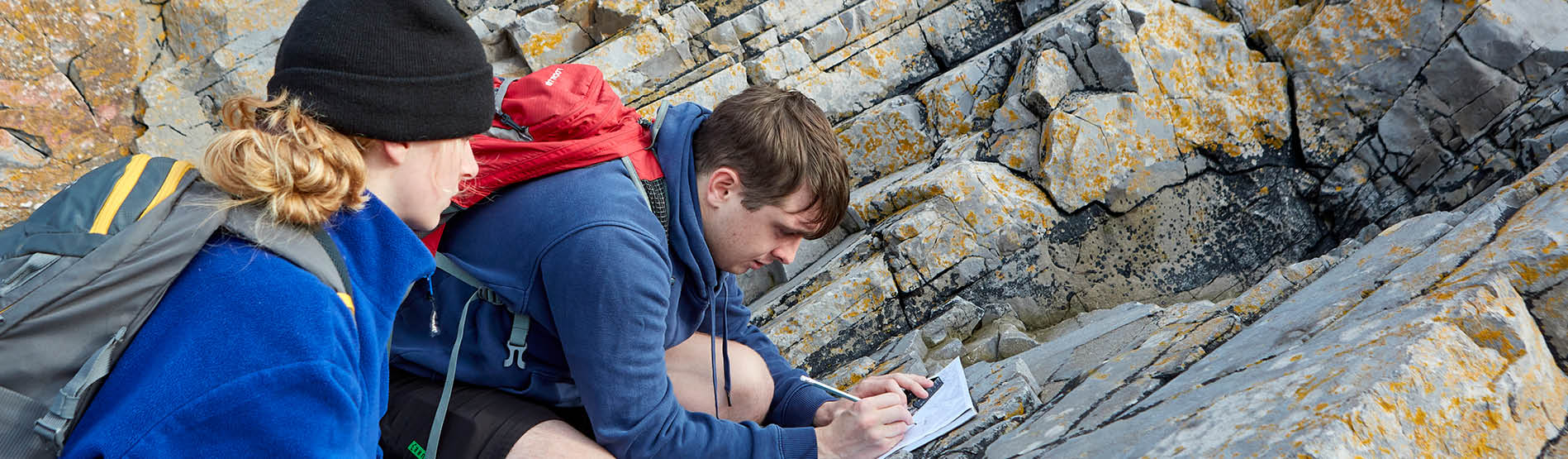
At Swansea, you will study Physical Geography in one of the UK’s most varied natural and urban environments, with a curriculum designed to ensure fieldwork is central to your learning.

You will follow a flexible degree path that you can tailor to your interests by choosing from a wide mix of human and physical geography modules.

Fieldwork is a major part of your experience. Our location gives you access to exceptional local and regional environments, from the Gower National Landscape to the coastal and geological features of Brecon Beacons and Pembrokeshire. These regular, low‑cost field classes allow you to apply your learning in real‑world settings from the very start of your degree.

You will also have opportunities to take part in residential field courses in your second and third year, exploring geographical themes in a range of international locations. Depending on your interests, you might investigate geological and natural hazards in Iceland or Vancouver, study the climate emergency and sea‑level rise in the Isles of Scilly, explore urban, historical and Indigenous geographies in Vancouver, or examine memory and identity in Berlin. Students interested in Earth processes can also join our specialist Volcanology fieldtrip to the Eifel region in Germany.

Together, these experiences help you build practical skills, confidence and a deeper understanding of the world, preparing you for your future career and giving you unforgettable opportunities to learn beyond the classroom.

Your Physical Geography Experience

Throughout the BSc Physical Geography degree, you will build specialist knowledge while developing the practical skills needed to understand and address today’s global challenges. You can explore themes such as monitoring environmental change, past climates, coastal processes, sustainable land management, cultural and political geographies, tourism and heritage, world cities, and migration. Your choice of modules and final‑year project allow you to tailor your learning to your interests and future career plans.

Physical Geography at Swansea is grounded in an interdisciplinary approach. You will study the planet from the sub‑surface to the atmosphere, exploring environments from rainforests and deserts to soil microbes, glaciers and urban landscapes. This breadth connects directly to contemporary issues and global sustainability agendas, including the UN Sustainable Development Goals and the Well‑being of Future Generations (Wales) Act.

Throughout your studies, you will gain practical and transferable skills valued by employers. Modules develop expertise in areas such as Geographical Information Systems, environmental data analysis, green energy applications, communication, teamwork and project management.

This programme includes opportunities to undertake a Year Abroad, enhancing your learning and offering invaluable life experience. This course also offers you the opportunity to spend a Year in Industry, in the UK or overseas, enabling you to gain valuable workplace experience. The University advocates for paid-only placements, which on average have a salary of over £20,000. Unpaid placements are considered on a case-by-case basis.

If applicants do not meet the requirements to enter our three-year degree programmes, then our four-year BSc Geography with a Foundation Year is offered. Our foundation programme gives you a chance to develop the skills essential to completing your degree. Upon successful completion of the Foundation Year, you can progress to any Geography programmes, including BSc Physical Geography.

Physical Geography Employment Opportunities

Entrepreneurship and employability are embedded throughout your degree. Field trip visits to partner organisations, including the Grand Theatre, Glynn Vivian Art Gallery, West Glamorgan Archive Service, WWT Llanelli Wetland Centre and The Carbon Community, give you the chance to see how geographical knowledge is applied across different sectors and to engage directly with professionals.

In your final year, you will also be invited to join departmental research seminars, helping you explore current debates in the discipline and consider future pathways such as postgraduate study.

The Faculty of Science and Engineering hosts an annual employers’ fair featuring organisations relevant to Physical Geography graduates, giving you opportunities to network, learn about career routes, and discover placement and graduate roles.

Physical Geography graduates progress into a wide range of careers. These include:

  • Environmental sector: environmental agencies, NGOs, sustainability-focused companies, and environmental consultancy.
  • Education and communication: teaching roles, science communication, and outreach.
  • Government and public sector: planning, policy development, data analysis, and local authority roles.
  • Business and consultancy: research, data analysis, project management and geospatial work.
  • Research and analysis: roles in think tanks, universities, private research firms and data-focused organisations.

Your degree equips you with the analytical, technical and communication skills that employers across these sectors value.

Modules

We're currently reviewing our curriculum to enhance your learning experience and embed skills that will benefit your future career. This means that some modules may be subject to change.

Entry Requirements

We consider all applicants on their own merits and welcome applications from students with a wide range of qualifications.

Physical Geography, BSc (Hons)

Physical Geography with a Year Abroad, BSc (Hons)

Physical Geography with a Year in Industry, BSc (Hons)