
About
Paul Rees
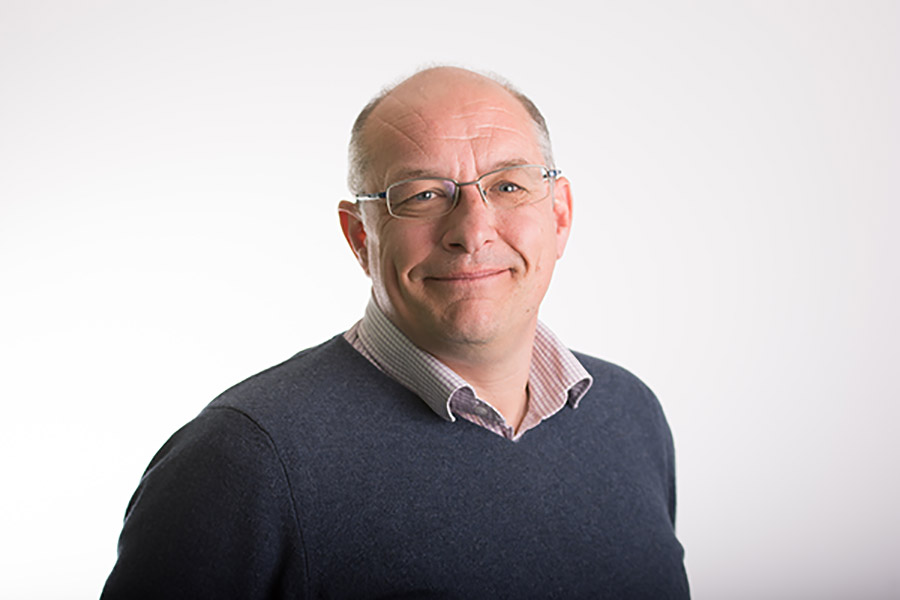
Paul Rees
Calculation of optical and electronic properties of semiconductors
Semiconductor device modelling
Simulation of blood clotting
Colloidal quantum dots
Flow Cytometry
ESPRC’s (Engineering and Physical Sciences Research Council) International Collaboration Sabbatical award
Collaboration opportunity with Professor Anne Carpenter of the Broad Institute of MIT and Harvard, Amnis Corporation, Cancer Research UK and the Centre for Nanohealth in Swansea.
This new initiative aims to foster long-term international collaboration between leading UK researchers and their international peers and break down some of the barriers to extended international collaboration. The programme allows UK-based researchers to undertake visits to overseas centres of excellence for between 6-12 months, built around a high quality research agenda. Current international collaboration has revolved around short-term projects, conferences etc and it was felt that longer-term higher-profile collaboration would be more beneficial.
This module provides an introduction to several AI algorithms for engineering/physics problems. The specific engineering problems chosen to demonstrate the benefits offered by AI algorithms are 1) interpretation/processing of data from distributed sensors; 2) optimisation of material/device properties through physics informed neural network. The module teaches students basic statistical skills underpinning machine learning/artificial intelligence such as probability analysis and regression, as well as several case studies that use existing AI software to analyse engineering problems. Two assessments (exam and individual project, each carries 50%) for each term, designed to examine understanding of the basic machine leaning concepts and using the software to solve engineering problems, take place in the middle of term and end of term. Emphasis is placed on the use of existing software for tackling engineering problems.
This module looks at the design and operation of a wide range of instrumentation used to make measurements for diagnostic and monitoring of health and disease. The emphasis is on the underlying electrical, mechanical, chemical, optical and other engineering principles together with the advantages and limitations of techniques. By the end of the module, students will understand how analog circuits underpin biomedical devices and will be equipped to apply engineering principles to the development and evaluation of instrumentation for medical applications.
The aim of this module is to introduce the science of measurement and explain the principles of data analysis commonly used in biomedical engineering. Throughout the module, foundational principles will be explained using biomedical examples of data analysis, with a particular focus on time-series, image and gene expression data. A core principle of the module is that the process of measurement must be understood before applied studies are designed and data analysis is undertaken. The limits to measurement and the errors that can exist in a dataset have to be appreciated in the context of biomedical applications. The origin of the data also has to be considered as there are often hidden assumptions influencing its acquisition and pre-processing built into the measurement. The aim here is to educate students about where their data comes from and to encourage them to critically assess the conditions under which valid measurements can be obtained in.
The aim of this module is to introduce the science of measurement and explain the principles of data analysis commonly used in biomedical engineering. Throughout the module, foundational principles will be explained using biomedical examples of data analysis, with a particular focus on time-series, image and gene expression data. A core principle of the module is that the process of measurement must be understood before applied studies are designed and data analysis is undertaken. The limits to measurement and the errors that can exist in a dataset have to be appreciated in the context of biomedical applications. The origin of the data also has to be considered as there are often hidden assumptions influencing its acquisition and pre-processing built into the measurement. The aim here is to educate students about where their data comes from and to encourage them to critically assess the conditions under which valid measurements can be obtained in.
This module provides healthcare professionals and clinical scientists with essential skills in research methods and evidence-based practice, alongside the opportunity to gain specialised knowledge in a chosen clinical domain. The first component introduces key aspects of research design, statistical analysis, critical appraisal of scientific literature, and the integration of evidence-based practice into clinical decision-making. Learners will explore research ethics, governance frameworks, and public and patient involvement (PPI), alongside practical sessions focused on statistical techniques and effective communication of findings to diverse audiences The second component offers a flexible, tailored learning experience. Students will have the opportunity to choose one of up to four (between two and four in any one year) specialist streams aligned to their area of interest and/or practice: Stream 1: Radiotherapy Physics ¿ Brachytherapy and other specialised radiotherapy techniques. Stream 2: Nuclear Medicine ¿ Quality control of nuclear medicine equipment. Stream 3: Radiation Safety and Diagnostic Radiology ¿ Handling and safety of radioactive materials. Stream 4: Imaging with Non-Ionising Radiation ¿ Advanced ultrasound techniques and optical radiation safety. This flexible approach ensures that participants gain both a solid foundation in generic research methods and an in-depth understanding of a specific area relevant to their professional practice or interests.