Warning: This article discusses self-harm and suicide.
In the early 2010s, suicide deaths in Wales reached a peak not seen in over a decade, dipped the following year, then rose again soon after.
Nearly ten years on, the rate remains almost unchanged, and shows little sign of reducing, with approximately 350 deaths a year.
And Wales is not alone. Across the UK, well over a hundred people die by suicide every week, according to the ONS. Globally, over 700,000 people take their own life each year. Shockingly, that’s one person every 40 seconds (World Health Organization).
While we can simply present the statistics on suicide, it is almost impossible to convey the devastation that each event causes with just numbers and figures, when we remember that each number represents a real person living a real life.
This is why researchers at Swansea University have developed the first population-wide suicide information database in Wales, SID-Cymru; a truly transformative new approach to preventing suicide and self-harm.
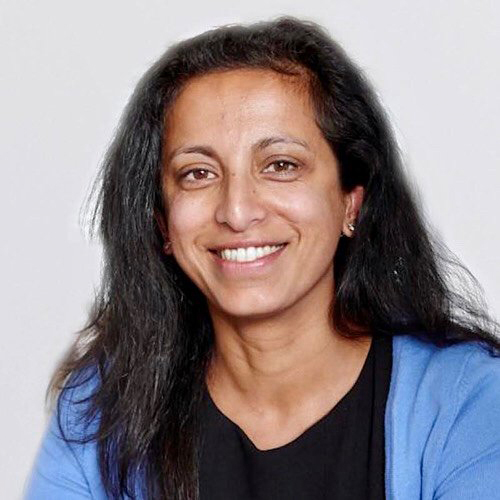
The project has been developed by the National Centre for Suicide Prevention and Self Harm Research; the official independent centre providing scientific advice to the Welsh Government. The team, led by Centre Director Professor Ann John, includes Drs Marcus Del Pozo Banos, Jess Williams and Amanda Marchant.
Offering Unprecedented Insight
There is rarely a single reason why someone takes their own life. It’s a complex interplay of social, psychological and biological factors across someone’s life. However, suicide is eminently preventable.
This new platform seeks to prevent future deaths by capturing anonymised health, social care and educational data, providing unprecedented insight into the risk factors of suicide, and when to intervene early to address them. These factors include patterns of service use in health and social care settings, alongside social causes.
The research was initiated following a cluster of suicides in South Wales where the team worked to understand the factors that led to the starting and continuation of the cluster. Using innovative methods, the team were able to identify the scale and timing of the cluster and investigate newspaper reporting.
Knowing who dies by suicide, and when, is essential to learning how best to prevent future deaths. It allows us to identify changes over time, make responsive changes to policy and practice, and document the impact of any interventions that are put in place, to make sure they are as effective as possible.
“Suicide prevention activities need to occur across all settings, not just health or mental health services.”
The study linked routinely collected primary care, emergency department attendance and hospital admissions across the whole population, to identify patterns of service contact prior to death, for those who die by suicide. This was the first time that this has been possible in the UK.
This data has been key in defining the likely markers that can lead towards self-harm and suicide, with a particular focus on opportunities for prevention.
The research showed a clear link between socio-economic factors and the likelihood of suicide, with the rates being higher in areas of economic deprivation, highlighting that activities preventing suicide need to address inequalities.
It was also discovered that those who died by suicide had contact with services, especially their GP, more than those who did not die by suicide, in the year prior to their deaths. But these GP appointments were more likely to be for mental health, alcohol or drug use, or self-harm episodes, providing evidence that suicide prevention activities need to occur
across all health settings, such as GP services for example, and not just those that are purely focused on mental health.
How Real-World Data Can Challenge Narratives
The SID-Cymru project, with its new and unprecedented levels of insight, also revealed some patterns that were somewhat unexpected.
The data showed that, despite commonly accepted narratives, men do increasingly seek contact from their healthcare providers in the weeks and months leading up to their deaths. The same can be said for young boys under 16 years old, who are much less likely to be admitted for self-harm than young girls of the same age.
But, with 3 of every 4 deaths by suicide being male (ONS), this puts a clear spotlight on the need to address the care and responses that men in distress are receiving, and identifies the need for further professional training and specialised interventions.
A Blueprint for Worldwide Prevention
The impact of this work has been profound.
At a national level, the research has shaped Wales’ suicide prevention strategy, and resulted in the Welsh Government committing an additional £500,000 per year to be spent on suicide prevention initiatives.
It has informed new guidance for schools, social care, and health services, ensuring practical support for young people who self-harm. It was pivotal in the decision to change the definition of persistent absence to 10% rather than 20%, ensuring earlier intervention. Over time, this has extended to many other areas; reducing access to methods of suicide, influencing antidepressant prescribing guidance, firearms licensing, and even bridge design.
Professor John has chaired a committee that has produced a British Standards Institution (BSI) Standard for Suicide Prevention in the Workplace, a world’s first, which has already been downloaded over 7,000 times in over 75 countries. A similar standard has been revolutionary for changing perceptions and responses to individuals experiencing the menopause, and it is hoped that this new standard will be just as effective.
Professor John also chairs the National Suicide Prevention Network for the Royal Foundation, on behalf of the Prince and Princess of Wales.
The team have engaged directly with media organisations and broadcasters, including The Independent and The Guardian, as well as the BBC, ITV, and Channel 4, to promote responsible coverage of suicide. This collaboration influenced storylines and reporting methods, reducing the risk of harmful portrayals of suicide reaching vulnerable audiences.
Data from SID-Cymru informed the thematic review of deaths of children and young people through probable suicide, 2006-2012. This review made a number of recommendations to various agencies, such as minimum unit pricing for alcohol, and for the improved care of under 18-year-olds with emergency department attendances related to alcohol or self–harm.
Internationally, SID-Cymru has inspired similar systems in Canada and beyond, showcasing the global relevance of the methodology developed at Swansea.
By thoroughly analysing the data collected, and working to implement tangible responses, the project has improved self-harm and mental health outcomes, and has provided a blueprint for preventative strategies, worldwide.
The Future of Suicide Prevention
There are many possible causes of suicide; financial adversity, life events, mental health conditions, problems with alcohol and drugs, to name just a few. And, because of the depth and complexity of these issues, there can be no single organisation or sector that can prevent suicide or self-harm in isolation.
But this is where SID-Cymru can be revolutionary. The research can potentially provide data-informed results and methods to every single agency involved in health and social care, sharing the responsibility for suicide prevention and coordinating practice.
There are already plans to link the health data collated by SID-Cymru with further health and social care and priority care provider data, creating a huge resource.
And the team are already working on a future phase, which seeks to implement Artificial Intelligence (AI), to create ‘digital twins’; virtual replicas of whole populations. Using this platform, interventions can be modelled at scale, and in real-time, to test their efficacy, resulting in accurate recommendations being made to policymakers on the most effective interventions, which have already been virtually tested and perfected.
These resources will further inform prevention efforts and enable conversations that lead to new interventions, so that in the future, in Wales, and potentially across the whole World, fewer people die by suicide.