UK’s largest independent gambling harms research centre launches
The centre, a UKRI investment funded through the government's Gambling Levy, will direct world-leading research on how to tackle and prevent gambling harms.
Read more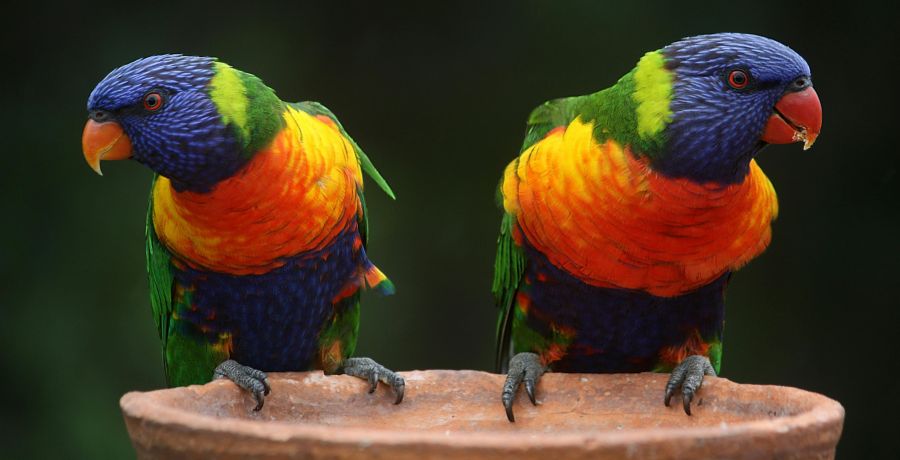

The centre, a UKRI investment funded through the government's Gambling Levy, will direct world-leading research on how to tackle and prevent gambling harms.
Read more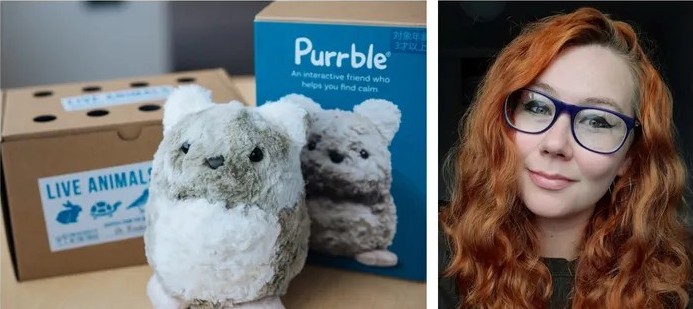
An interactive robotic plushie called Purrble could improve anxiety and depressive symptoms in LGBTQ+ young people.
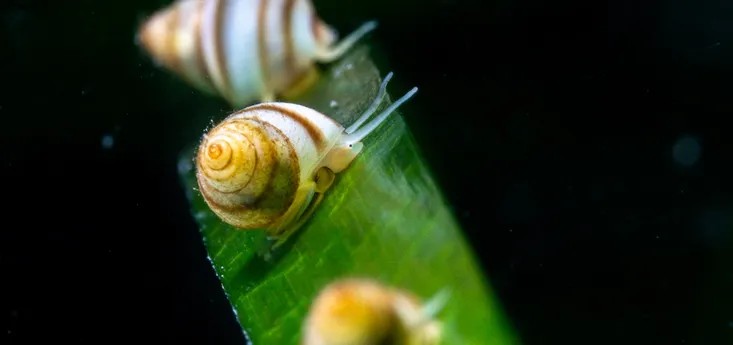
A new study of the British Isles’ coastal ecosystems has revealed that nitrogen enrichment is significantly reducing the abundance and variety of marine life.
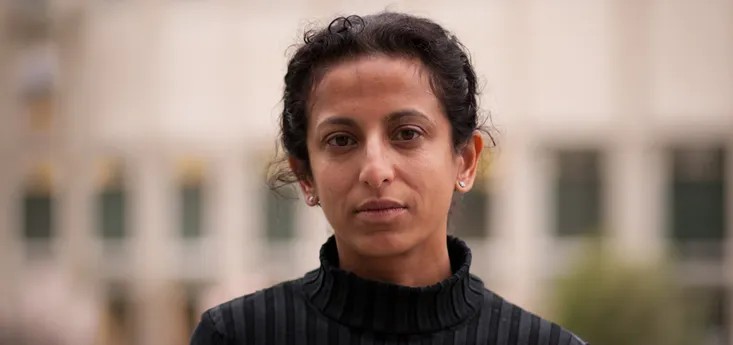
A Swansea University academic has been appointed OBE in the King’s Birthday Honours list in recognition of her services to suicide prevention and digital innovation.
An interest sparked more than a decade ago by the favourite pastime of a student’s pet cockatiel has led to a groundbreaking study of masturbation in birds which will improve understanding of crucial and under-examined aspects of bird behaviour and welfare.
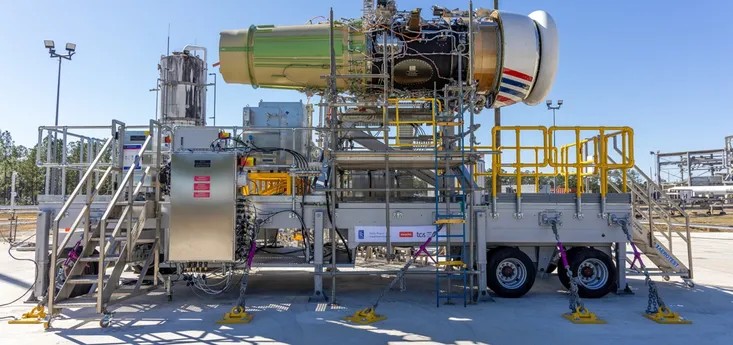
Researchers from Swansea University are celebrating their role in a major aviation milestone, following the successful completion of a four‑year, international programme led by Rolls‑Royce and easyJet to demonstrate hydrogen as a viable aviation fuel.
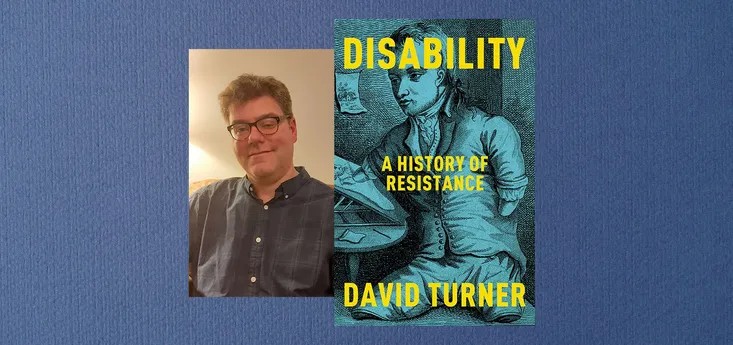
A Swansea University academic’s new book aims to highlight disabled people and their long-overlooked role in society.

A major new review led by Swansea University has highlighted growing evidence that diet in the early years of life may shape how well the brain develops, with effects that can still be seen in adolescence.
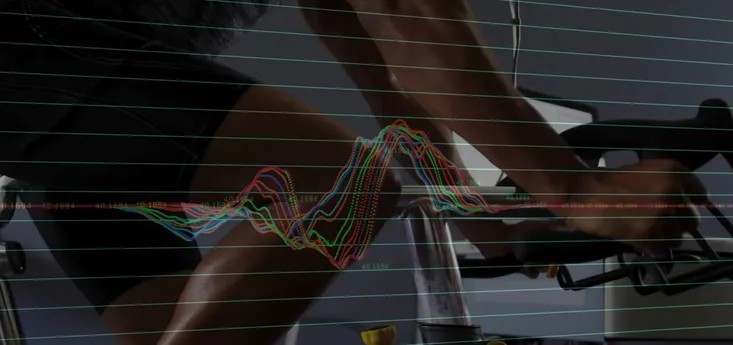
Swansea University has launched a new collaborative PhD project with the UK Sports Institute (UKSI), the UK’s leading provider of science, medicine, technology and engineering services to Olympic and Paralympic sports.

Three Swansea University spin-out companies were selected to showcase their pioneering work at this year’s UK Global R&D and Science Investment Summit in London.
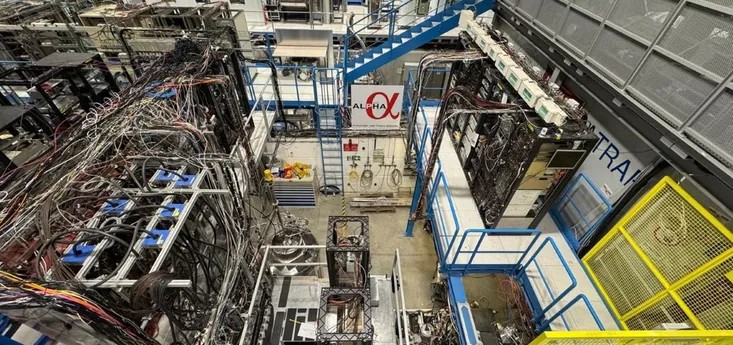
Swansea University physicists, as leading members of the ALPHA antihydrogen collaboration at CERN, have determined the ground state hyperfine splitting of antihydrogen 100 times more accurately than ever before.
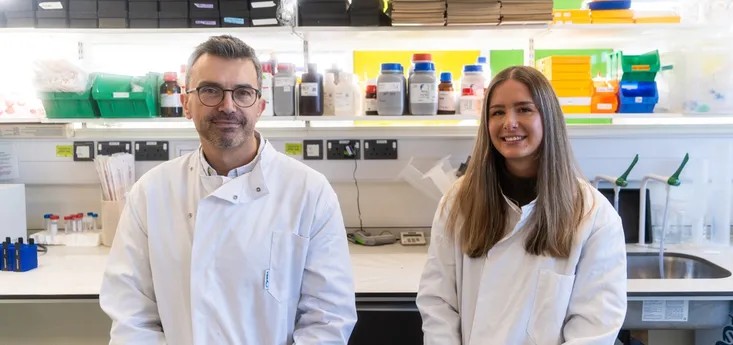
Swansea University researchers have been awarded £102,949 by BRACE Dementia Research to investigate a stomach hormone's role in a potential new dementia treatment.
By completing this form you are consenting to receiving MOMENTUM via email. You can unsubscribe at any time by clicking the unsubscribe link at the bottom of an email. For more information read our privacy policy.