About the lecture
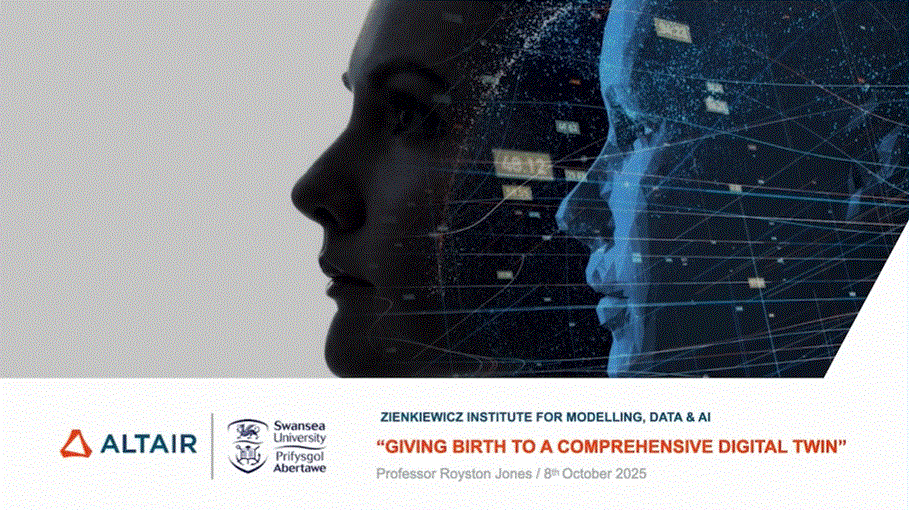
What is a Digital Twin, how are they built and what can they bring to current and future product development environments? A Digital Twin can be developed to capture complex or simple product behaviour, but in practice, multiple Digital Twins are often required to represent different aspects of a system. This presentation focuses on the challenges of developing a ‘Comprehensive Digital Twin’ capable of simulating all aspects of the physical asset, a true replicant.
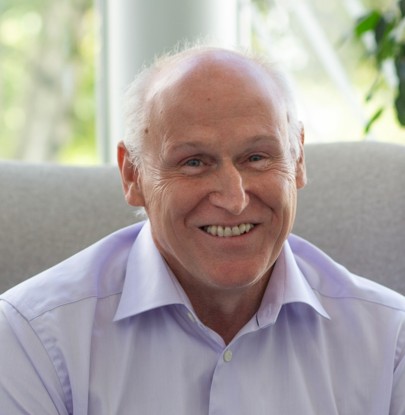
Presented by Dr. Royston Jones, this lecture will provide insights into how today’s engineering programmes are combining physics-based simulation, and AI, facilitated by high-performance computing to achieve this ambitious goal.
By attending, you’ll learn:
- How different engineering disciplines intersect to enable the comprehensive Digital Twin
- Why “comprehensive” modelling is so difficult, and what strategies engineering teams can use to overcome these challenges
- The real-world impact of these technologies, through industrial case studies from companies such as Airbus and Jaguar Land Rover
- How Swansea University pioneered many of the core methods still shaping the field today, through the Zienkiewicz Institute for Modelling, Data and AI