Harnessing Computational Mechanics to Create Efficient and Elegant Structures

About the lecture

Innovative and efficient designs of structures can be achieved by using optimisation techniques to minimise the material usage and maximise the structural performance. The bi-directional evolutionary structural optimisation (BESO) method, originally proposed by Professor Yi Min ‘Mike’ Xie and his co-workers, has been well developed for this purpose. BESO is based on the simple concept of gradually removing inefficient material from a structure and, at the same time, adding material to the most needed locations. Such a simple but universally applicable technique can be utilised to not only reduce the weight and the associated energy consumption of aircraft and motor vehicles but also generate strikingly elegant structural designs of buildings and bridges.

This seminar will present the latest developments of the BESO method and demonstrate a wide range of practical applications including spectacular buildings, long-span bridges, unmanned aircraft, exquisite furniture, and so on. The talk will also show how such beautiful and organic designs can be realised by using advanced manufacturing technologies including 3D printing.
About Professor Yi Min Xie

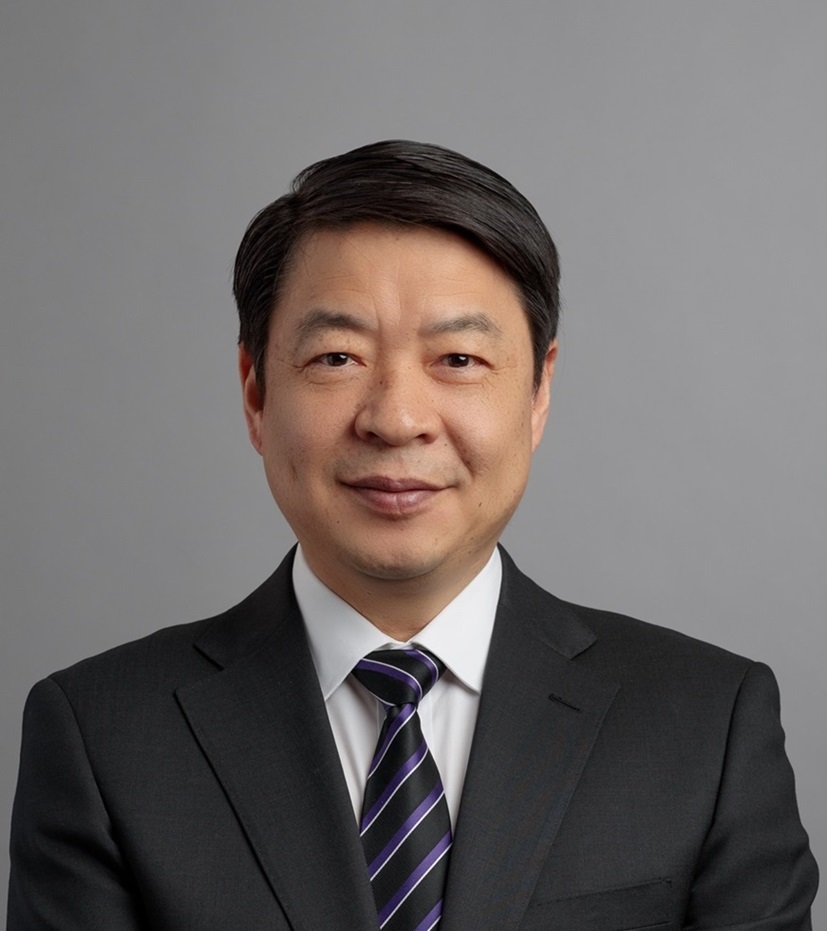
Photo of Professor Yi Min ‘Mike’ Xie

Yi Min ‘Mike’ Xie is currently a Professor at Hohai University in China. Previously, he was an Australian Laureate Fellow (2020–2024) and a Distinguished Professor (2016–2024) at Royal Melbourne Institute of Technology (RMIT) in Australia.

Professor Xie played a key role in developing the evolutionary structural optimisation (ESO) and bi-directional evolutionary structural optimisation (BESO) methods, which have been used by thousands of engineers and architects around the world to design innovative and efficient structures including several landmark buildings.

He received his bachelor’s degree in engineering mechanics from Shanghai Jiao Tong University in 1984 and earned his PhD in computational mechanics from Swansea University in 1991 (supervised by Professor O.C. Zienkiewicz). He was elected a Fellow of the Australian Academy of Technological Sciences and Engineering in 2011.

Professor Xie is one of the most highly cited researchers in his field, with over 40,000 citations in Google Scholar.  He has collaborated with a wide range of local and international companies, including Arup and Boeing.