We all know breweries produce great beer - but have you ever thought about the carbon footprint behind every pint? And how they could help reduce it?
Bluestone Brewery, a local business run by Swansea University alumni, partnered with Swansea University researchers to take on this challenge through a Welsh Government-funded project. The goal? Capture carbon dioxide from the brewing process, use algae to turn waste into something valuable and help tackle Wales’ Net Zero 2050 goal.
Where Science Meets Beer
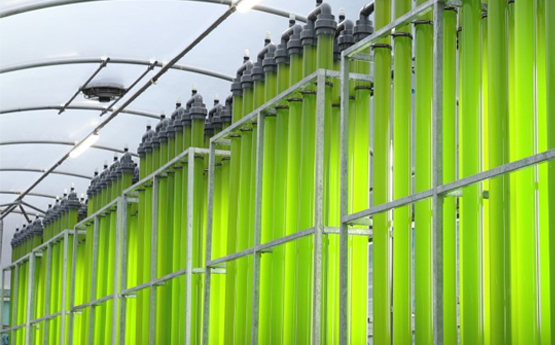
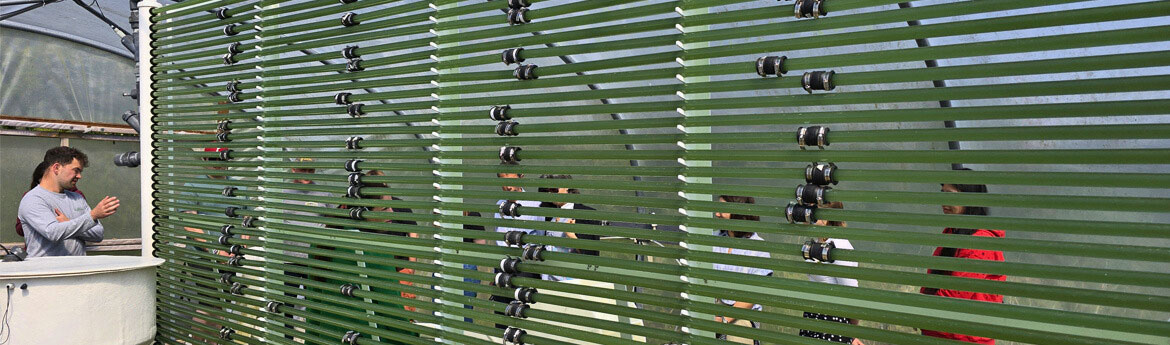
Every fermentation process releases CO2, which normally escapes into the atmosphere. This project captures it, and pipes that gas from Bluestone’s brewery into a nearby polytunnel where it fuels the growth of microalgae. Inside a 400-litre photobioreactor and a raceway tank hold thousands of litres of water, creating the perfect environment for spirulina - a blue-green algae that thrives on carbon.
As the CO₂ bubbles through, the microalgae grows tiny, plant-like organisms that use carbon to fuel photosynthesis. This natural process transforms waste gas into something useful that could be used for food, health, and even pharmaceuticals. This is where science meets beer, and where sustainability gets exciting.
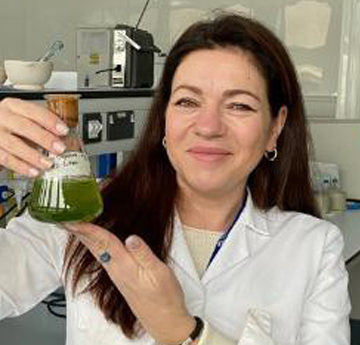
Swansea University researchers monitor the system daily, testing different strains and sending samples for analysis. Concentrated cultures harvested from Bluestone’s CO2 are now being studied for unique compounds with potential commercial applications.
Brewing A Solution To The Climate Challenge
Brewing is one of the largest agri-food industries, and its carbon emissions add to the climate challenge. This project shows how local businesses and universities can work together to cut emissions and create new opportunities. It’s a practical, scalable approach that supports Wales’ Net Zero 2050 plan and demonstrates how innovation can drive change in everyday industries. For Bluestone, the benefits go beyond sustainability:
- Recognition – The brewery won a Sustainable Business Award, with this project central to its success.
- Visibility – Featured in industry magazines and podcasts, Bluestone has attracted interest from customers and other breweries.
- Sales – Visitors to the taproom are keen to learn about the project, giving Bluestone a unique story alongside its beers.
What’s Next?
The pilot has sparked interest from larger breweries, including another local brewery, Gower Brewery, who are exploring similar systems on a bigger scale. Swansea University aims to expand the research, testing continuous processes and turning algae biomass into valuable products for food, feed, cosmetics, and pharma. Bluestone will remain closely involved, pushing toward zero waste and leading the way in sustainable brewing.
This collaboration is more than a science experiment, it’s a model for Wales’ Net Zero 2050 plan and a blueprint for greener businesses.
Work With Swansea University
Swansea University works with businesses to reduce carbon emissions and explore new sustainable products. Our expertise includes CO₂ assessments, pilot scale trials and designing systems that operate in real industrial settings.
Breweries and food and drink producers looking to strengthen sustainability goals - or explore new value streams, can collaborate with us through funded projects, feasibility studies or innovation partnerships. It’s a practical way to cut carbon while supporting long term business growth.