-
CY-154
Ieithoedd Lleiafrifol:Pwer a Pholisi
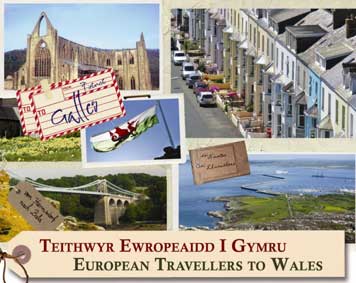
Mae¿r modiwl yma¿n cyflwyno cyd-destun ieithoedd lleiafrifol a lleiafrifedig ledled y byd, gan amlygu¿r tebygrwydd a¿r gwahaniaethau yng nghyd-destun y Gymraeg yng Nghymru. Byddwn yn archwilio detholiad o gyd-destunau ieithyddol o Brydain, Ewrop a thu hwnt, gan ganolbwyntio ar rôl ieithoedd lleiafrifol a¿r ffactorau cymdeithasol, economaidd a gwleidyddol sy¿n dylanwadu arnynt. Byddwch yn cael eich cefnogi i greu cymhariaeth rhwng y Gymraeg a chyd-destunau ieithoedd lleiafrifiedig eraill, gan ddatblygu dealltwriaeth ehangach o amrywiaeth ieithyddol a¿i oblygiadau.
This module introduces examples of minority and minoritised language contexts across the globe, highlighting both similarities and differences with the Welsh language context in Wales. Minority language contexts from the UK, Europe, and beyond will be explored, focusing on the role of minority languages and the social, economic, and political factors that influence them. You will be supported in drawing comparisons between Welsh and other minoritised language contexts, developing a broader understanding of linguistic diversity and its implications
-
ML-102
Reel Lives: Framing the Human Condition in European Film
Since its earliest days, cinema has had the power to illuminate the complexities of the human experience. Building on this foundation, you will examine how European filmmakers portray the struggles, triumphs, and defining moments of their films¿ characters, as well as the influence those films exert on you, the audience, within a wider cultural, social and political context. Through a selection of visually striking and emotionally resonant films, you will explore the cinematic techniques that bring these stories to life, offering insight into the human condition and contemporary debate about what it means to be European in the 21st Century. In so doing, this module asks you to reflect on that most fundamental question: what does it mean to be human?
-
ML-203
Reel Lives: Framing the Human Condition in European Film
Since its inception, cinema has had the power to illuminate the complexities of the human experience. Building on this foundation, this module¿will examine how European filmmakers portray the struggles, triumphs, and defining moments of their films¿ characters, as well as the influence those films exert on individual viewers within a wider cultural, social and political context. Through a selection of visually striking and emotionally resonant films, we will explore the cinematic techniques that bring these stories to life, offering insight into the human condition and what it means to be European in the 21st Century. In so doing, the module seeks to explore that most fundamental question: what does it mean to be human?
-
MLF210
French Translation Workshop 2
This module aims to improve your skills in translation from French to English, developing awareness of different types of translation and different techniques required of translators and strategies employed by them.
-
MLF220
Paris
The capital city of France is renowned as the capital of the nineteenth century, the arts and modernity. This module will introduce you to the unique cultural environment of Paris, and you will analyse its evolution from the nineteenth century to the present day. The main focus of the module will be the images of the city as mediated in fiction, art and iconography, architecture, music and film. The module explores the changing urban environment in Paris and its adjacent suburbs, from Baron Haussmann's controversial infrastructure projects in the nineteenth century, to the post-war construction of the HLM in the banlieues, to the twentieth-first century. The module will also examine the reputation of Paris as the capital of romance and its contemporary status as a multicultural metropolis.
-
MLF310
French Translation Workshop 3
This module aims to improve your skills in translation from French to English. In doing this you will develop awareness of different types of translation and different techniques required of translators and strategies employed by them.
-
MLF325
France and the Second World War: Legacies of the Dark Years
The module focuses on 21st century legacies of the Second World War in France, in particular written and filmic representations and contemporary memory politics.
-
MLF330B
French General Language 3B
This module offers practice and development of skills in translation from English to French and French oral and communication skills. Writing and oral classes will give you practice in the exercises covered by the module, and will be supported by a series of grammar workshops that will reinforce your existing grammatical knowledge as well as introducing new concepts. For this module, the workshops will cover French parts of speech other than verbs and other grammatical structures (interrogatives, negatives and word order).
-
MLF390B
French Language 3B
This is a combination of the TB2 General Language and Translation Workshop module. It builds on and consolidates the skills and knowledge acquired in MLF390A by concentrating on further developing fluency and accuracy in written and spoken French appropriate to level B2 of the Common European Framework of Reference for Languages (CEFR). It specifically aims to extend students¿ intercultural awareness and widen students¿ vocabulary to read, write and do presentations about topics related to French society and culture. The module also aims to enhance students' employability by training them to give a successful presentation using appropriate IT applications. This module further develops and improves your practical skills in translating from French into English, developing awareness of different types of translation and different techniques required of translators and strategies employed by them. Students will work on different text types and conduct comparative analysis of relevant areas of French and English language and culture.
The General Language classes will be mainly conducted in French.
-
MLTM07
Healthcare Interpreting
Healthcare interpreting plays an essential role in facilitating communication between healthcare providers and patients who speak different languages or have limited proficiency in the language used by the provider, thus ensuring that all patients have access to the medical information and services they need.
Healthcare interpreters work in various settings, including doctor¿s offices, hospitals, clinics, and mental health facilities, and they require a sound knowledge of medical terminology in both languages, as well as a good understanding of cultural differences that might affect communication in order to interpret accurately and in a culturally appropriate way.
In this module you will develop strategies and techniques to perform simultaneous whispering interpreting and dialogue interpreting (including some telephone interpreting, plus an opportunity to try sight translation) in the domain of healthcare. There will be a mixture of interactive lectures on interpreting theory, ethics, and practice, together with live and language laboratory practice sessions on the topic of various conditions and diseases.
-
MLTM25
Conference Interpreting
This module will help students develop strategies and techniques to perform Conference Interpreting in Consecutive as well as Simultaneous modalities, with a focus on the latter. It involves the advanced development of multilingual skills, as well as interpersonal/intercultural communication skills (active listening, memory retention, time lag, anticipation, reformulation, delivery). Students will typically be exposed to authentic talks, lectures, conference papers, debates and speeches delivered by United Nations delegates, European Parliamentarians, TED.com Presenters, the UK's Political Speech Archive, BBC World programmes, YouTube, The Why Channel, and other countries' politicians, lecturers and experts in various fields. The contexts would typically include current affairs and topics of political, sociocultural, economic, scientific, technological and environmental impact in both cultures and their corresponding terminologies. Students will also be encouraged to research and read parallel texts for confidence building knowledge expansion and glossary creation. Training will take place in a fully-equipped Interpreting Suite (delegate units and booths).
Successful candidates will be well prepared to apply for placement opportunities at the European Commission Directorate-General for Interpretation and/or The Internship Programme at the United Nations Offices either in Geneva or in New York.
Students will be expected to do extensive guided private study, which should include exercises, e.g. mental agility exercises, bi-directional clozing, numerical contextualization and simplification tasks, reformulation and improvisation exercises, as well as tasks for mnemonic activation (to activate and automatize linguistic reflexes through the use of synonyms, antonyms, definitions, paraphrasing, hypernyms etc.).
-
MLTM34
Specialised Translation Language 1
This module follows from MLTM05 Foundations in Translation and Interpreting and is designed for students to develop practical translation skills when mediating between English and their working language across different specialised domains. In this module, students will engage in translating, discussing, and annotating a variety of technical and non-technical texts. The module is designed to simulate real-world conditions, with practice assignments that progressively increase in length and complexity. Collaborative work is encouraged, with students critiquing and editing each other's translations to produce polished, final versions. The module will also focus on developing techniques for acquiring domain-specific knowledge and effectively translating technical terminology.
This module is compulsory for all students studying MA Professional Translation and MA Translation and Interpreting. It is offered in all languages, subject to demand.
-
MLW101
Ieithoedd Modern Cyfrwng Cymraeg 1
Nod y modiwl hwn yw darparu dealltwriaeth sylfaenol o gysyniadau ieithyddol allweddol sy'n hanfodol ar gyfer astudio Ieithoedd Modern a Chyfieithu drwy gyfrwng y Gymraeg. Nod y modiwl yw atgyfnerthu ac ymestyn sgiliau ieithyddol myfyrwyr a hwyluso eu cynnydd mewn cymhwysedd ieithyddol tra'n sefydlu dealltwriaeth graidd o ieithyddiaeth. Wrth fanteisio ar y tebygrwydd cynhenid a rennir rhwng Ffrangeg/Sbaeneg a'r Gymraeg, bydd darlithoedd a seminarau'n canolbwyntio ar seiliau iaith (geiriau a strwythurau), mecanweithiau penodol pob iaith, a'r ystod o gyd-destunau y maent yn cael eu defnyddio (gan gynnwys technolegau iaith). Bydd archwilio cysyniadau ar draws ieithoedd gwahanol yn helpu dysgwyr i wella eu dealltwriaeth ramadegol o ieithoedd penodol ac agweddau sylfaenol cysylltiedig iaith. Yn ogystal ag atgyfnerthu dealltwriaeth myfyrwyr o elfennau o ramadeg y Gymraeg a'i defnydd, bydd sesiynau'n eu galluogi i ddatblygu rhuglder a chywirdeb pellach wrth ysgrifennu a siarad yn Ffrangeg/Sbaeneg, gan ehangu cymhwysedd myfyrwyr i ddarllen, ysgrifennu, dehongli a siarad am faterion sy'n gysylltiedig â chymdeithasau a diwylliannau cyfoes sy'n siarad Ffrangeg/Sbaeneg, fel sy'n briodol i naill ai lefel B1+ (ar gyfer myfyrwyr ar ôl iddynt astudio lefel A) neu lefel A1+ (ar gyfer dechreuwyr) y Fframwaith Cyfeirio Ewropeaidd Cyffredin ar gyfer Ieithoedd (CEFR). Nod arall i'r modiwl hwn yw gwella rhagolygon cyflogadwyedd myfyrwyr ymhellach drwy ddarparu sylfeini defnyddio Ffrangeg/Sbaeneg a'r Gymraeg mewn cyd-destunau sy'n gysylltiedig â byd gwaith, gan gynnwys cyfieithu a thechnolegau iaith eraill. Cynhelir dosbarthiadau yn Gymraeg ac yn Ffrangeg/Sbaeneg. Yn ogystal â gwaith yn y dosbarth, mae disgwyl hefyd i fyfyrwyr ymgymryd ag astudio personol helaeth.
This module aims to equip students with a foundational understanding of key linguistic concepts that are essential for the study of Modern Languages and Translation through the medium of Welsh. The module aims to consolidate and extend students¿ language skills and to facilitate their progress in linguistic competence while establishing a core understanding of linguistics. Taking advantage of the inherent proximities shared between French/Spanish and Welsh, lectures and seminars will focus on the building blocks of language (words and structures), the particular mechanics of each language, and the range of contexts in which they are used (including language technologies). Exploring concepts across different languages will help learners enhance their grammatical understanding of both the specific languages and related foundational aspects of language. As well as reinforcing students¿ understanding of elements of Welsh grammar and usage, sessions will help them further develop fluency and accuracy in written and spoken French/Spanish, extending students¿ competence to read, write, interpret and speak about issues related to contemporary French-/Spanish-speaking societies and cultures as appropriate to either level B1+ (for the case of post-A Level students) or level A1+ (in the case of Beginners) of the Common European Framework of Reference for Languages (CEFR). The module also aims to further enhance students¿ employability prospects by providing a grounding in the use of French/Spanish and Welsh in contexts relating to the world of work, including translation and other language technologies. Classes are conducted in Welsh and French/Spanish. In addition to class work, students are also expected to undertake extensive private study.